
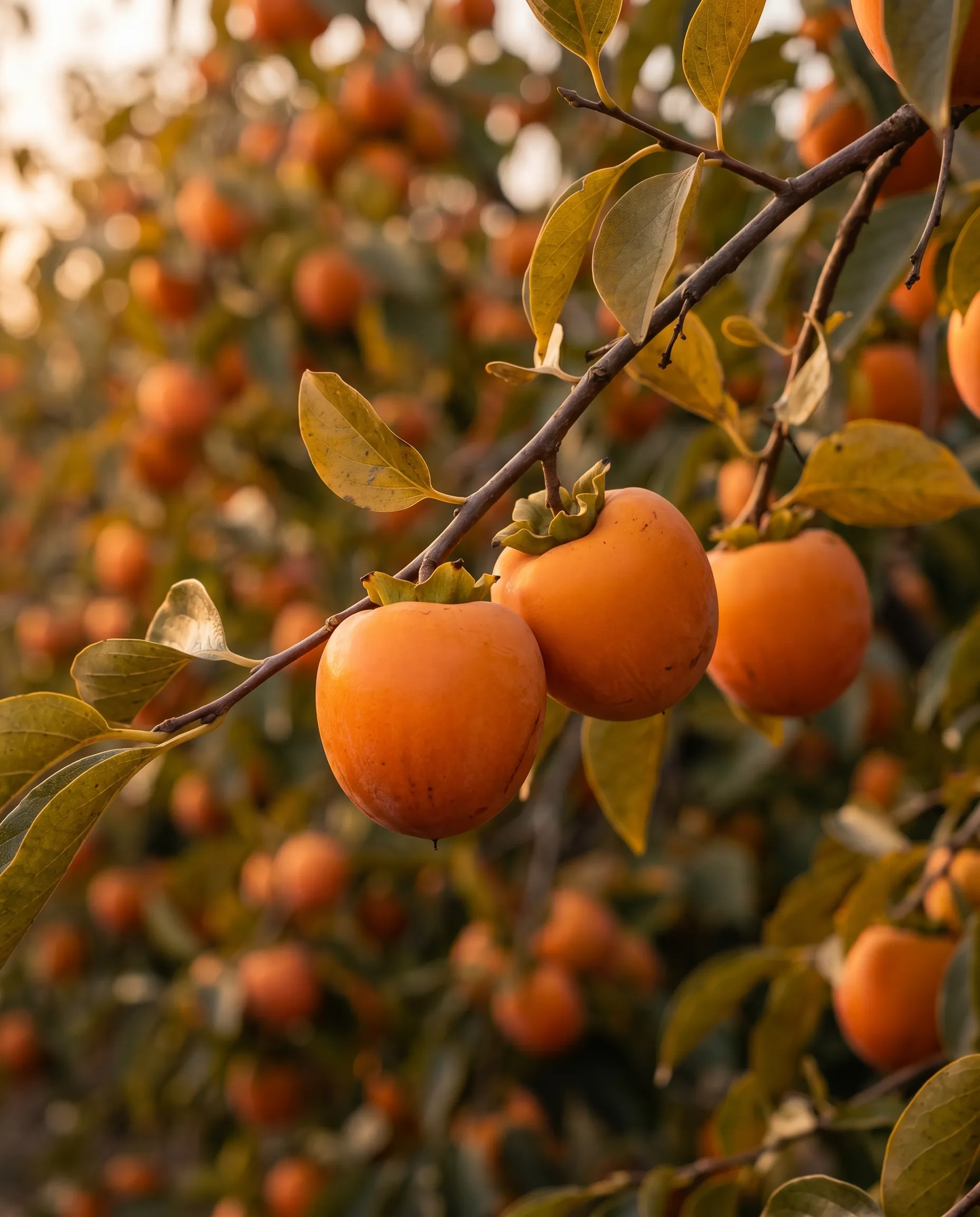
Every autumn, the Spanish kaki campaign resets the clock for buyers across Europe. The Rojo Brillante window is short, demand is concentrated, and the difference between a smooth season and a scramble comes down to how early you read the signals.
The first thing we watch is the weather through the summer and into September. It sets both the volume and the calibre profile — and calibre is where a lot of programmes either fit their listings or don't.
Knowing exactly when a plot is at peak — and how it will travel — is judgement no algorithm replaces.
The second signal is demand pull from the large European markets. When it arrives early, the peak compresses; when it's late, the shoulder stretches. Either way, buyers who have programmed volume ahead of the campaign ride it out. Those buying spot feel every swing.
What to ask your supplier now
- What calibre profile are you expecting this year, and how firm is that read?
- How is programmed volume being allocated across the peak weeks?
- What's the contingency if demand pulls the window forward?
None of this is new. But every year it's the buyers who plan — and who work with a supplier that knows the fruit and the market at the same time — who come out of the kaki season without a story to tell.