
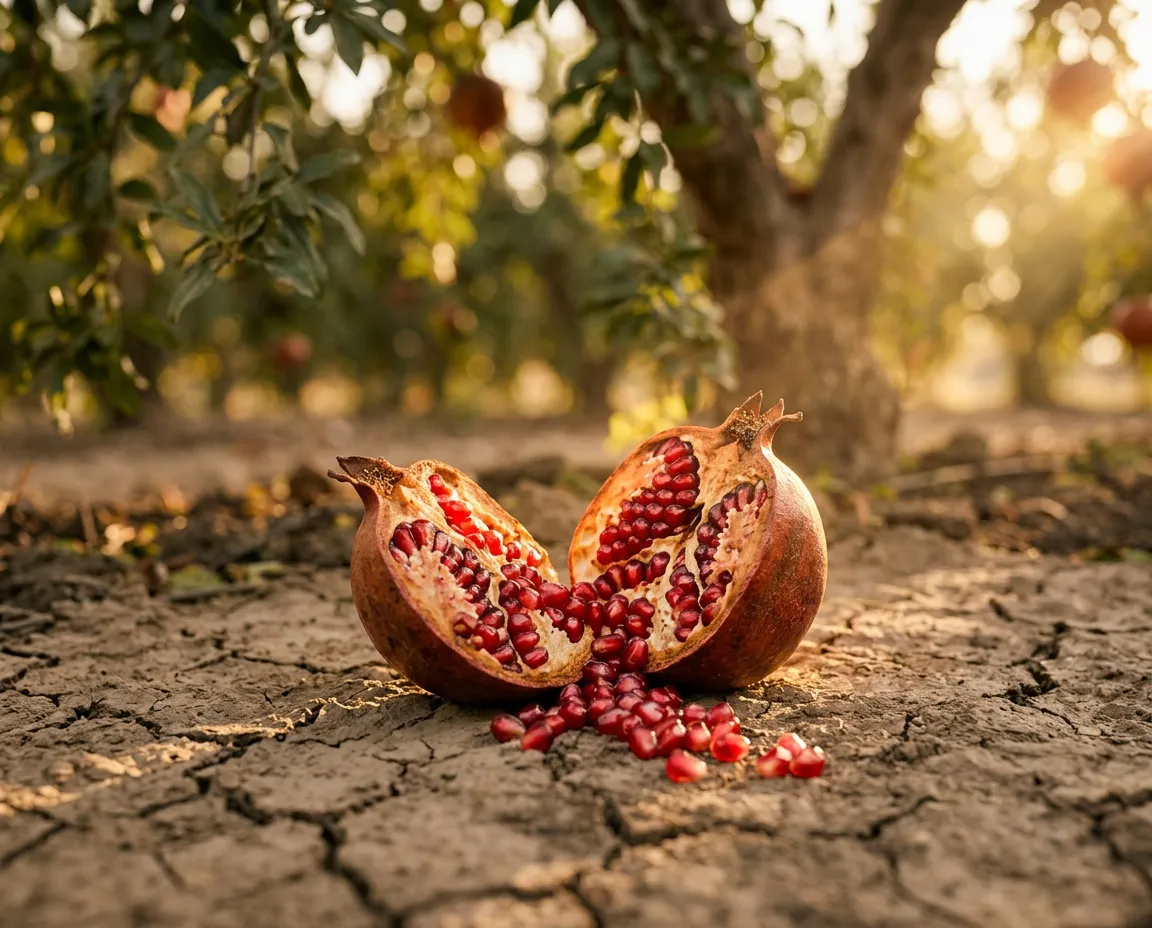
Pomegranate has moved from a niche autumn line to a category that importers and retail chains now plan for. Demand comes from two directions at once: whole fruit sold on its health credentials, and arils and juice, where the fruit is a raw material as much as a product. Each pulls on a different part of the specification, so the first decision for a buyer is which of the two the programme serves.
Spain is the largest pomegranate producer in the European Union, and the Valencian region sits at the centre of it. That matters for buyers because origin proximity shortens the chain from orchard to platform, and a short chain is what protects skin condition, aril quality and shelf life in a fruit that is heavy, sensitive to bruising and sold on appearance.
A pomegranate programme is won or lost on two numbers agreed in advance: the calibre range and the maturity at harvest.
Variety and season: two profiles, two windows
Early-season Mollar de Elche is the traditional Spanish reference: soft, sweet, low-acidity arils and an early harvest that typically opens the campaign in September. Wonderful, the dominant international variety, comes later, with deep red skin, a more balanced sweet-tart profile and better storage behaviour, which lets supply extend well into the winter months. Together they allow a line to run continuously from early autumn if volume is programmed across both.
Harvest dates move with the year. A warm September pulls the Mollar window forward; a cool one compresses the overlap with Wonderful. This is why we ask buyers to commit to a calendar of weeks rather than a single start date, and to review it with us as the season develops.
What to specify
- Calibre: agree a core range by fruit size and an acceptable band either side. Retail packs, loose display and arils or juice each call for a different profile.
- Maturity: define the minimum on juice colour and sugar-to-acid balance, not skin colour alone. A fully red skin does not guarantee ripe arils.
- Skin quality: set a tolerance for scarring, cracking and sun marks that matches the channel, premium whole fruit versus processing.
- Packaging and format: loose cartons, retail trays or flow packs, with pallet configuration set for your platform.
- Compliance: residue limits against your customer standards, plus the certification your market requires, agreed before the first shipment, not after.
The health angle, used carefully
Interest in pomegranate and its juice is driven largely by consumer awareness of its polyphenol content. For a buyer, that is a useful commercial story, but claims on pack are regulated. In the EU, health claims must be on the authorised list, so marketing language should be reviewed against the rules of each destination market before it is printed.
Questions to ask your grower now
- Which varieties and plots cover which weeks of your programme?
- What is the expected calibre distribution this year, and how firm is that read?
- How is storage used to bridge gaps, and what does it do to shelf life on arrival?
- What is the contingency if weather moves the harvest window?
Pomegranate rewards the buyer who plans early and stays close to the orchard. Agree the specification before harvest, programme the volume across both varieties, and the category stops being a seasonal gamble and becomes a dependable autumn and winter line.